
What We Do
Enhance · Protect · Conserve
ENHANCE
Aquifer research and public education about aquifer stewardship are two key aspects of enhancing the work of the Edwards Aquifer Authority. The Edwards Aquifer Conservancy owns and supports the Field Research Park and supports education initiatives at the Education Outreach Center, all of which can be expanded with additional financial support.
Field Research Park
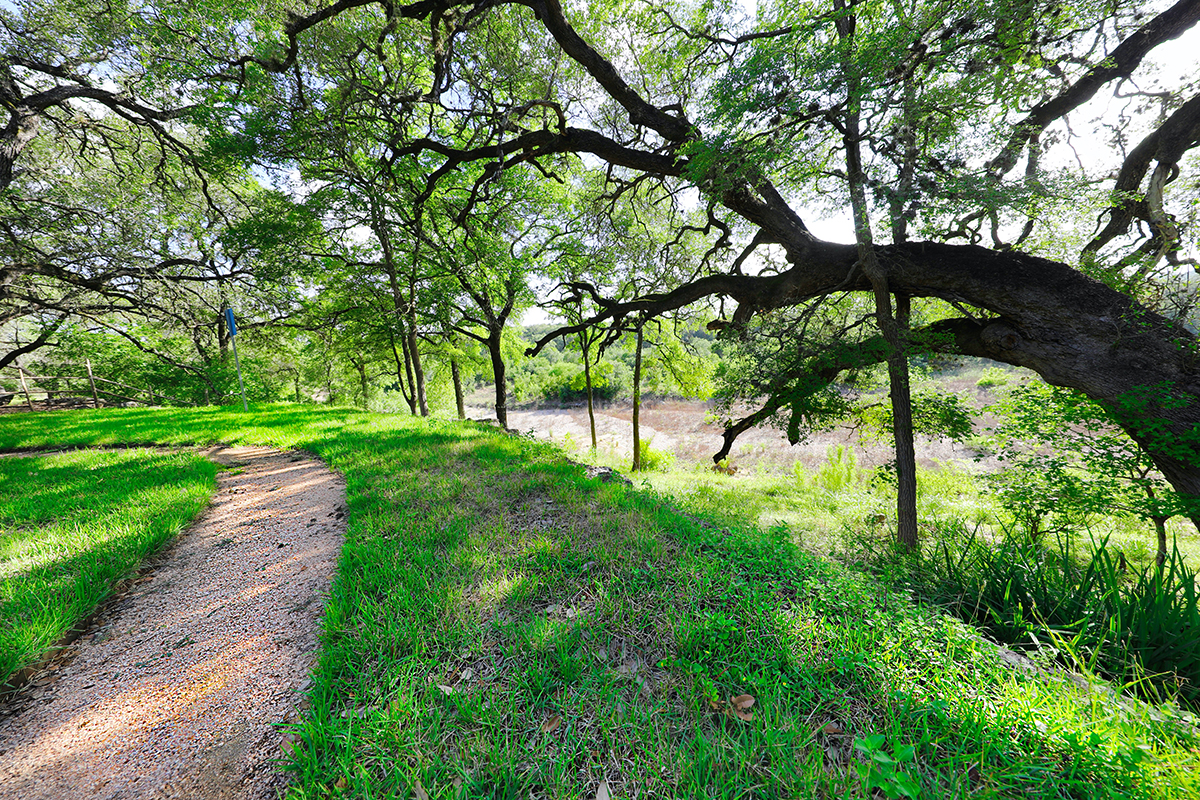
The Edwards Aquifer Conservancy was granted a $5.5 million gift of protected lands—approximately 150 acres. It provides access to the Edwards Aquifer Authority for research and stewardship purposes. The EAA took the property, now known as the Field Research Park (FRP), and initiated science-based initiatives to collect groundwater levels, water quality data, soil sampling, and mapping of karst features like springs or seeps in the area.
Additionally, land management techniques are being studied and assessed for their potential efficacy in increasing both the yield and quality of water entering the Edwards Aquifer. The principal purpose of the EAA Field Research Park is to develop, research, and implement practices that lead to enhanced water quality and quantity for the region.
Learn more about onsite research and the importance of the Field Research Park: Next Generation Aquifer Resiliency →

Education Outreach Center
The $3 million EAA Education Outreach Center (EOC) encompasses 3,500 square feet and features unique learning experiences that challenge the imagination. Open to the public and free of charge, the EAA Education Outreach Center provides a platform to educate young and old alike.
The EAA Education Program strives to educate and inform minds—because with fertile minds of the young and the young-at-heart, great things are possible. Located at Morgan’s Camp, the Education Outreach Center provides an experience open to all.
Learn more about the Education Outreach Center and educational resources: Visit the Education Outreach Center website →
PROTECT
Conserving groundwater is important to the effective management and sustainability of the Edwards Aquifer. Below are some of the programs we could expand with additional funding:
Benefits of Conservation Easements
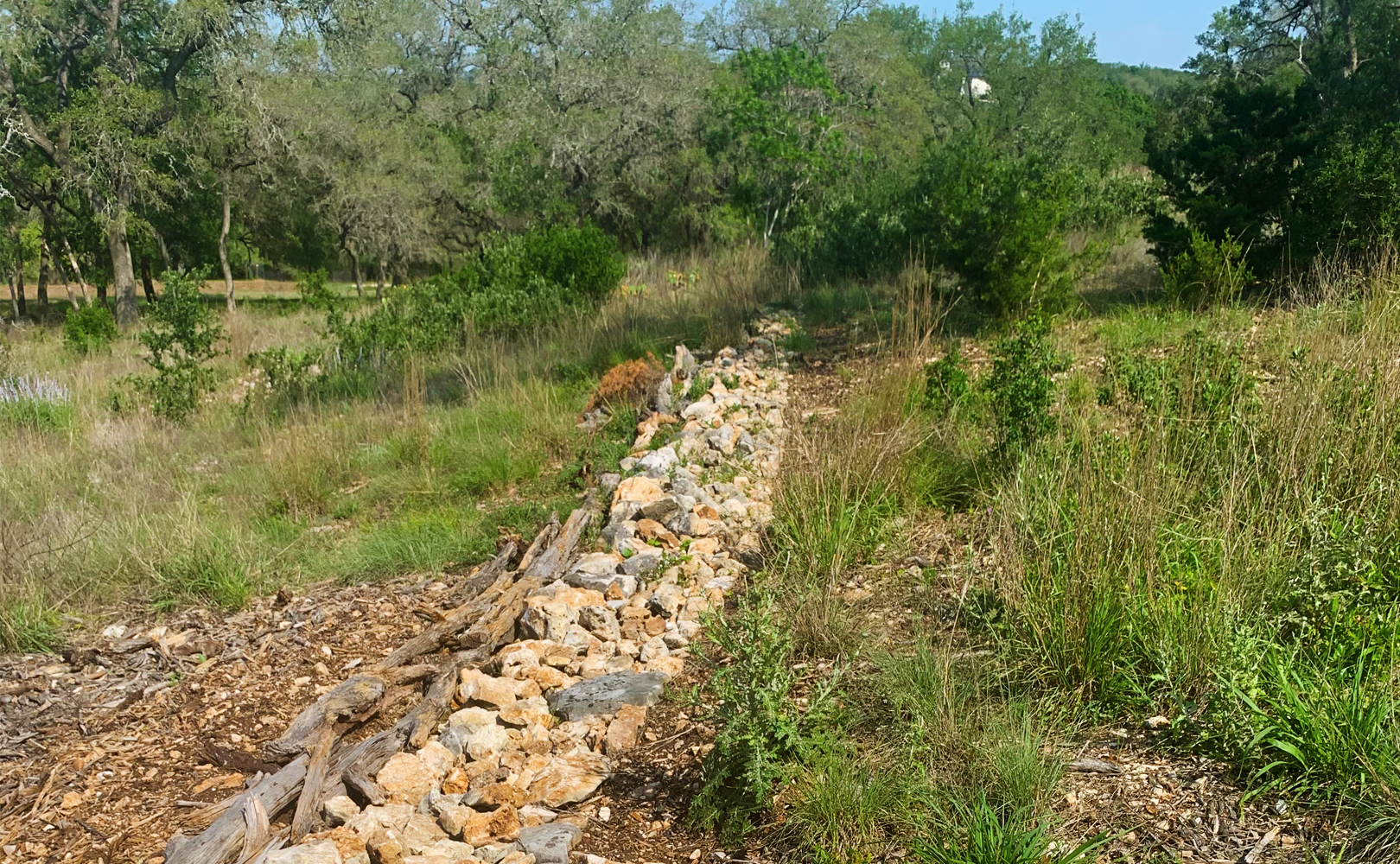
Water Quality Protection: By limiting activities that could degrade water quality, conservation easements help maintain clean water in the aquifer.
Habitat Conservation: Easements protect natural habitats, promote biodiversity and support ecosystems that depend on the aquifer.
Sustainable Land Use: Conservation easements encourage sustainable agricultural and land use practices that are compatible with conservation goals.
Community Engagement: Landowners and the community gain a greater understanding and appreciation of the importance of protecting the aquifer.
Conservation Easements
Conservation easements are voluntary, legally binding agreements that restrict certain types of land use to protect the conservation values of the property. Landowners who participate in this program retain ownership and the ability to use their land while ensuring the long-term protection of the water quality and natural habitats critical to the aquifer’s health. These conservation easements reflect the commitment of local landowners to preserving the integrity of the Edwards Aquifer for future generations.
Water Replenishment Project
The EAC provides direct conservation of 400 acre-feet of Edwards groundwater through a forbearance agreement funded by Microsoft Corp as part of its global water initiative, supplementing existing conservation programs and ensuring water for conservation purposes.
Eradicating Flood Irrigation
One focus of the EAA’s conservation equipment grants has been to help eradicate the process of flood irrigation (a low efficiency practice) in our region. By utilizing information obtained in grant applications that were received by the EAA but were not funded, it has been determined that there are at least 1,230 existing acres that are irrigated through flood irrigation practices. The Conservation Grant Program matches EAA funds for installation of improved irrigation efficiency equipment, replacing the need for flood irrigation.
Abandoned Well Closure
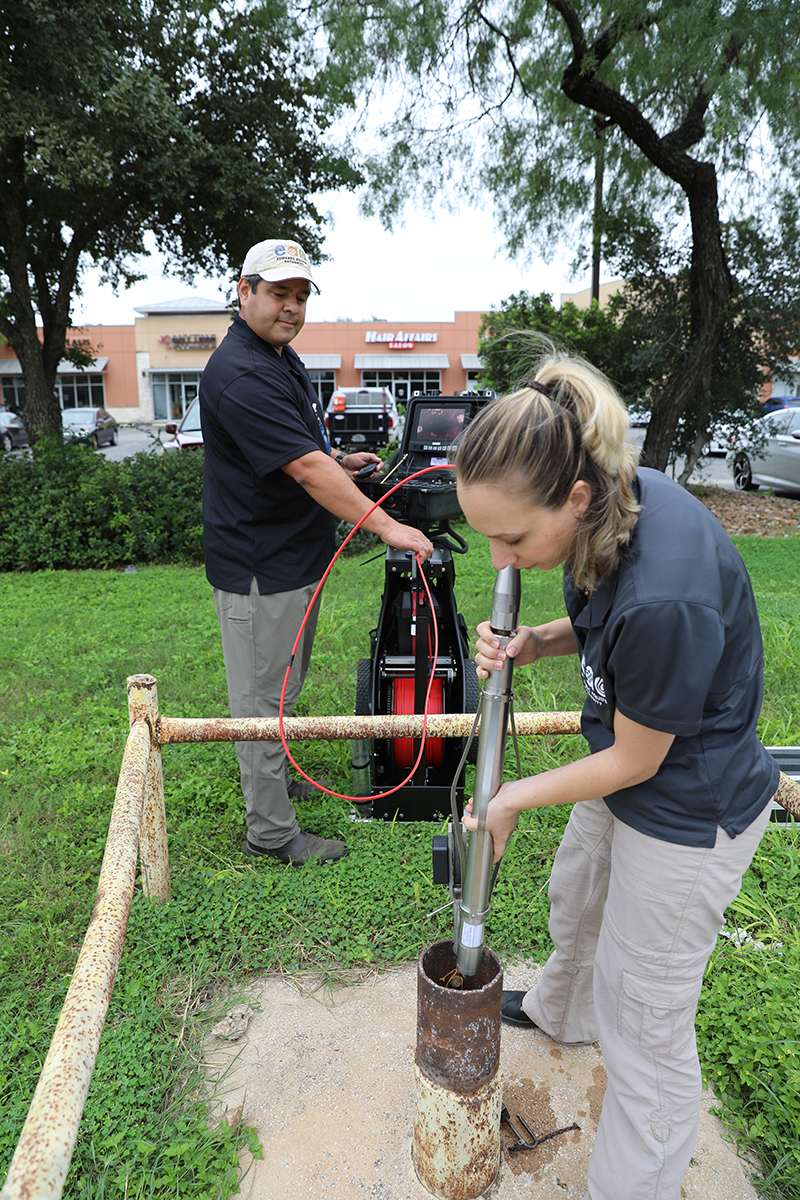
Through the process of time, the normal course of changing land use, or in some cases the expansion of municipal water distribution systems, many groundwater wells become abandoned or deteriorated without being properly plugged or capped. This can result in wells serving as direct conduits for pollutants to contaminate the aquifer – creating a potential health risk to the groundwater supply. The EAA uses a sophisticated threat ranking system to determine which wells are the most significant threats to the aquifer. The EAC provides support to close these wells when funding is available.
WHERE AND WHY
The San Antonio Segment of the Balcones Fault Zone Edwards Aquifer (Aquifer) in South-Central Texas is one of the most productive aquifers in the United States. The Edwards Aquifer is a karst aquifer and is characterized by the presence of sinkholes, sinking streams, caves, large springs and highly productive water wells.
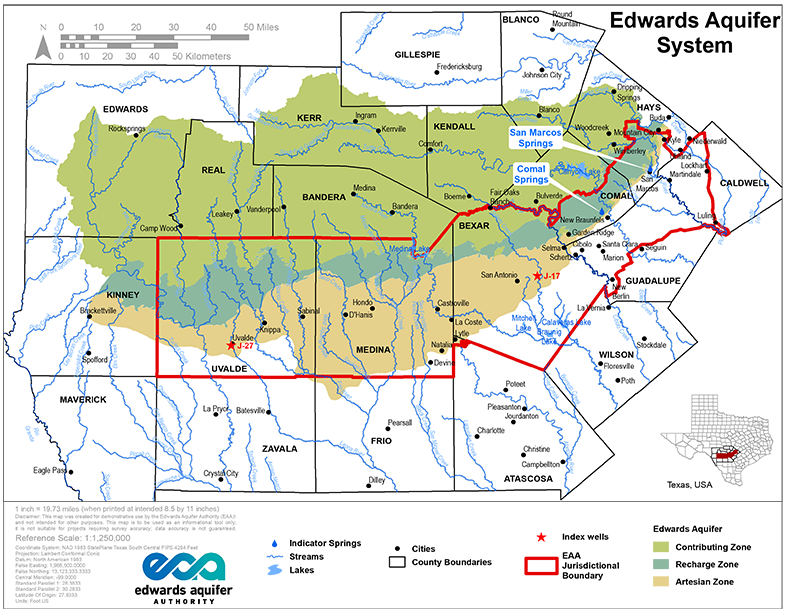
Rain falls upon the Contributing Zone, working its way into the Recharge Zone through faults and fissures exposed at the surface and finally, being stored in the pool of the Aquifer, before being drawn up to the surface via wells and natural springs.
Where We Work
Geographically, the Aquifer extends through parts of Kinney, Uvalde, Zavala, Medina, Frio, Atascosa, Bexar, Comal, Guadalupe and Hays counties and covers an area approximately 180 miles long and five to 40 miles wide. The total surface area overlying the Aquifer is approximately 3,600 square miles.
The Aquifer is the primary water source for much of this area, including the City of San Antonio and its surrounding communities. Historically, the cities of Uvalde, San Antonio, New Braunfels and San Marcos were founded around large springs that discharged from the Aquifer. As the region grew, wells were drilled into the Aquifer to supplement the water supplied by those springs.
Why We Do It
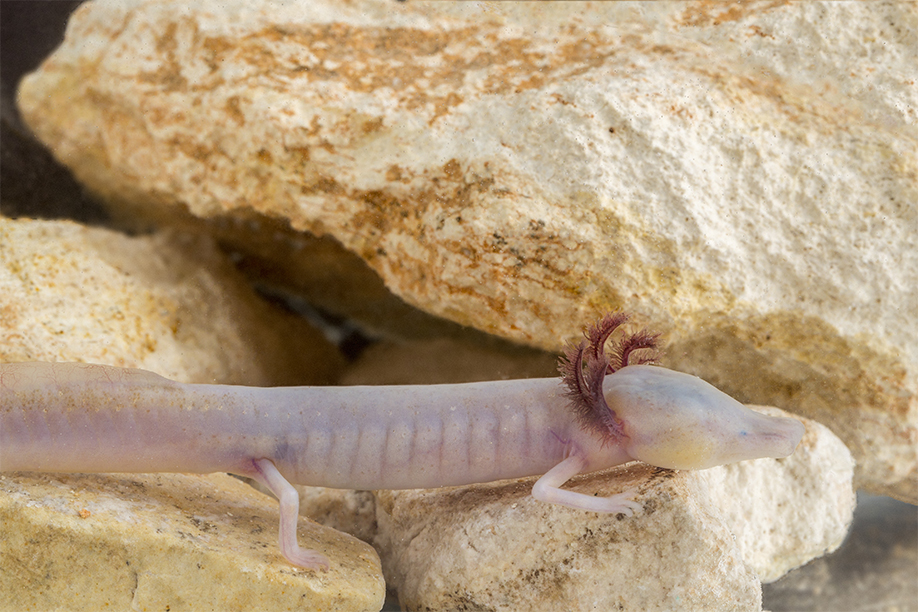
The Aquifer serves as the principal source of water for the region’s agricultural and industrial activities and provides necessary spring flow for endangered species habitat, as well as recreational purposes and downstream uses in the Guadalupe, Nueces and San Antonio river basins. People and wildlife alike rely on the Edwards Aquifer system to sustain life as we know it in the region.
Learn more about the Edwards Aquifer Habitat Conservation Plan and endangared species covered under the plan: Covered Species